

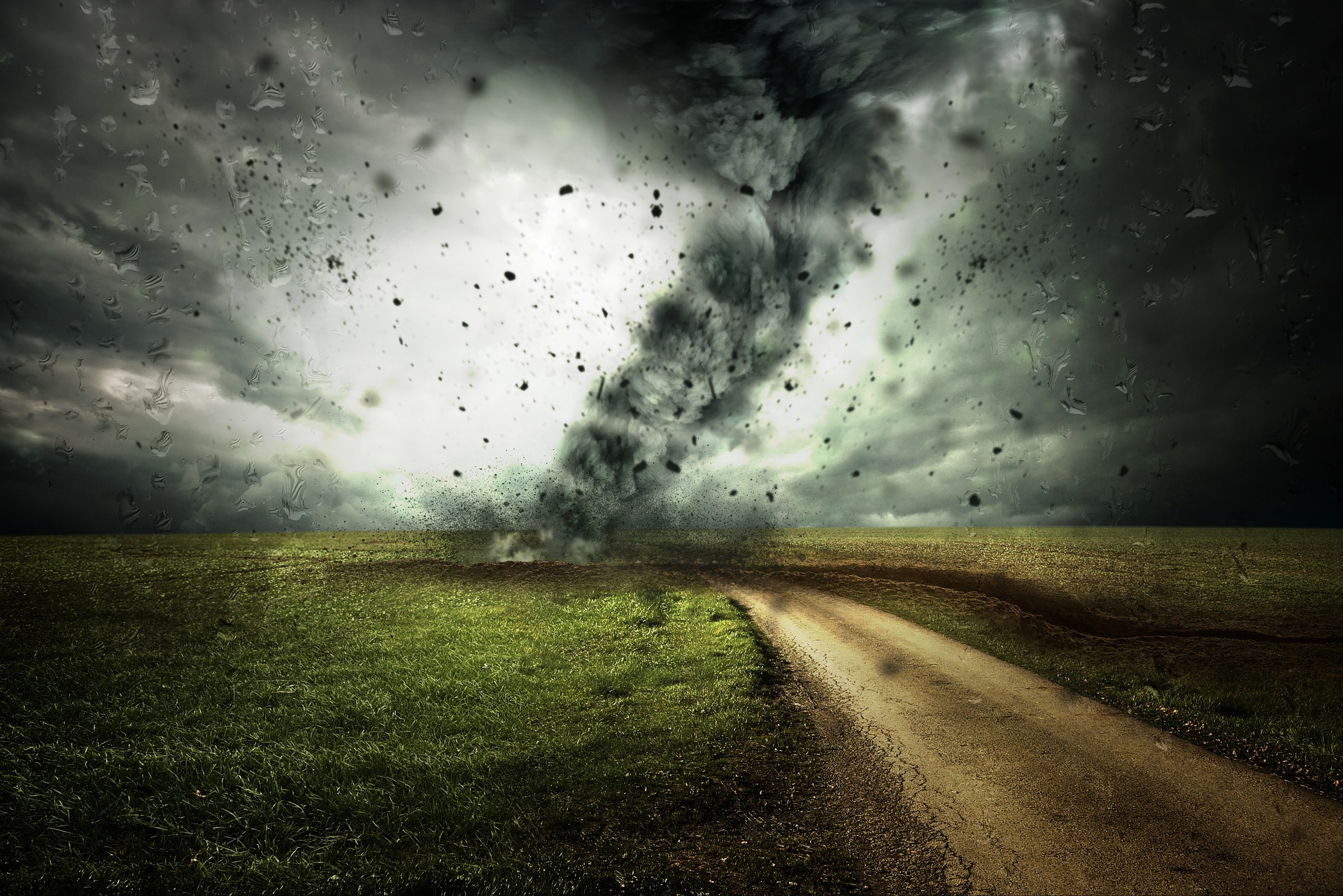
For many, climate change remains data in reports and discussion points at conferences. Work with the Centre for Women Studies and Intervention, CWSI, shifts that view. The issue gains a face, a voice, and a story.
That reality is visible in Bamishi community, Kuje Area Council. CWSI runs a climate-smart agriculture project there for women and youth smallholder farmers. During documentation of project activities, one story stood out: a single mother whose entire livelihood depends on farming.
Sitting under a tree after a training session, she described a clear change. Years ago, rains were predictable and planting seasons followed a known calendar. Farming was hard, but the seasons made sense. Now rains arrive late, stop without warning, or fall in heavy downpours that wash away newly planted seeds.
In one season she invested nearly all her savings into a small plot. A prolonged dry spell destroyed most of the harvest. The loss extended beyond income. Food at home became scarce. School fees became harder to pay. Anxiety about the future increased.
The account shows that climate change is not only rising temperatures or shifting weather patterns. It is about people who wake up each morning unsure if the next rainfall will sustain or destroy their livelihood. It is about mothers forced to choose between feeding families today and investing in the next planting season.
Through the CWSI project, farmers like her receive training in climate-smart agricultural practices. The methods include improved farming techniques, soil conservation, and strategies for adapting to unpredictable weather.
Months after the training, a follow-up visit to Bamishi showed a different outlook. The same farmer spoke with renewed confidence about applying the new techniques and diversifying crops to reduce risk.
Climate change remains a serious challenge. Stories like this show that resilience can be built when communities receive the right knowledge and support. They also show why communication matters. Behind every climate statistic is a person working to protect a livelihood, feed a family, and secure a better future.
The work in Bamishi reinforces one point: climate action is about people. Vulnerable communities, especially women and smallholder farmers, cannot be left behind as they face one of the greatest challenges of this time. Climate change is not a distant threat. It is a daily reality for millions, and those voices deserve to be heard.