
Editorial Note:
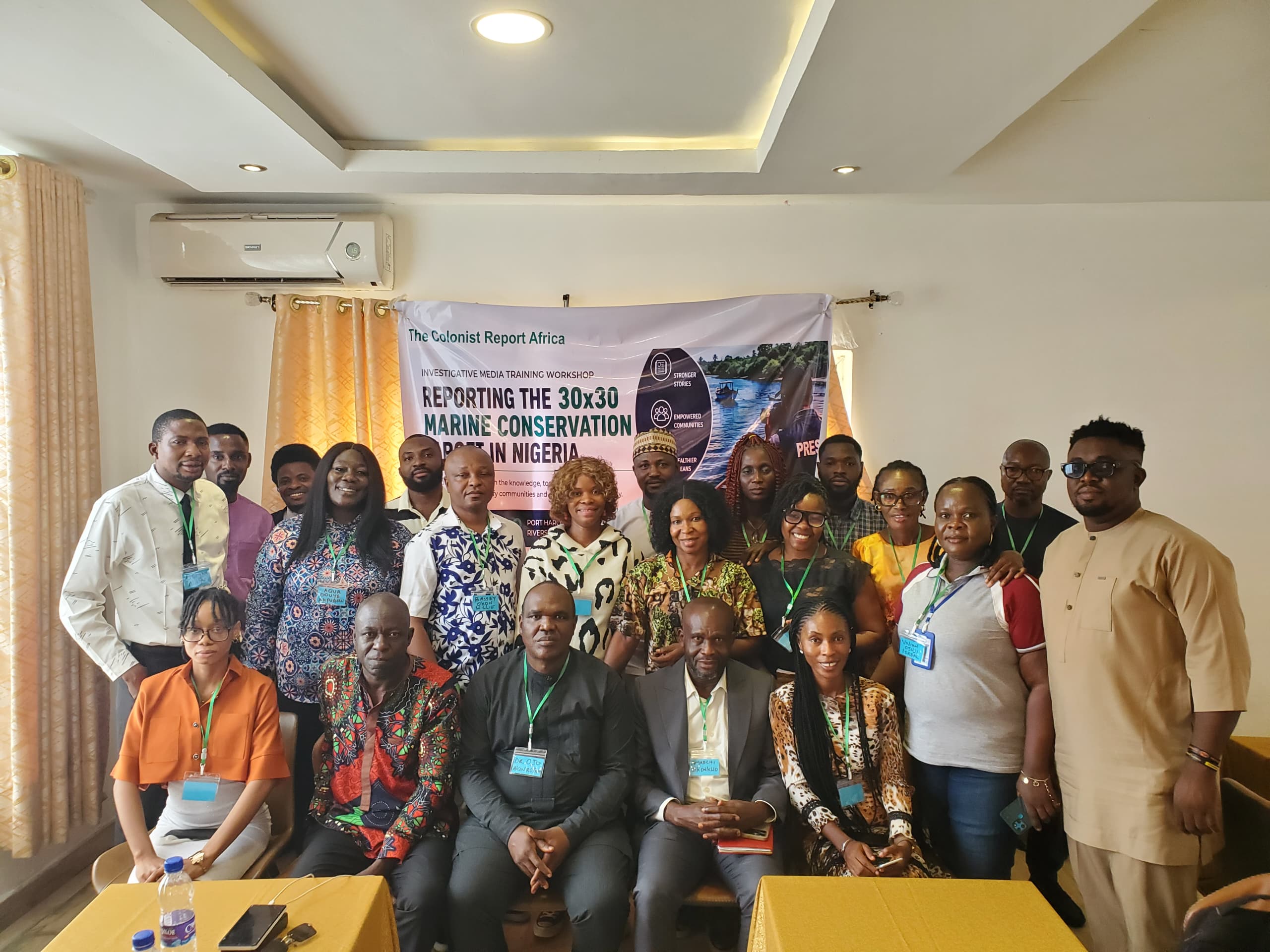
From theoretical to practical learnings through the voices of participants, this report documents the real-time impact and knowledge gaps filled at the fully-funded 30×30 Marine Conservation Workshop by The Colonist Report Africa and The Earth Journalism Network, held between June 16-18, 2026, at Portland Resorts, Port Harcourt, Rivers State, Nigeria.
The holistic approach of this workshop covering both human and environmental factors is in alignment with the vision of Hello ICON Magazine’s ongoing preliminary research on the ‘Hidden Cost of Climate Stress on Human Talents.’
For Sustainability of Impact: This evidence-based research will be published prior to the launch of the Inside Out Resilience Hub: our broader vision designed to build immersive resilience infrastructure for energy and climate-impacted talents and communities, two cross-border cities at a time.
From forced migration to eco-anxiety, loss of homes, livelihoods, and dreams. Our research and documentary series will uncover the realities and untold stories of climate socio-economic inequities across borders.
Why This Documentation:
It’s easy for conversations on coastal resilience to be environmentally centred. The degradation of places. The quiet extinction of major plants and animals. The oil spills. The gas flares. The extreme heat. The erosion.
However, the hidden cost of all these affects individuals, families, and dreams, both directly and indirectly. In most cases, victims are not aware they have a part to play in curbing a replay of these havocs. Hence, the cycle continues.
There is an often overlooked underreported aspect of the interconnectedness of people and their environment. How each needs the other to survive and thrive. How dreams are birthed in both people and places and can be aborted by the same.
It is this major shift in conversation that filled the room full of journalists at the just concluded 30×30 Marine Conservation Workshop.
This shift is important because when people understand the human cost of coastal matters, they care more, and when they care more, real action follows. This is how coastal resilience is birthed and sustained.
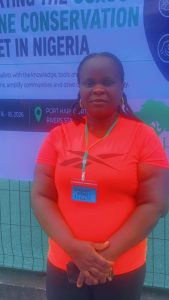
The first session on Marine Ecosystems & The 2030 Target in Nigeria was by Dr. Ojo Akinrotimi, Director of Research, African Regional Aquaculture Centre of NIOMR, Port Harcourt.
This beyond-surface-level session deepened understanding on the root overview of the 30×30 Marine Conservation realities and goals while exploring real-world examples.
“My eyes were opened a little wider to the interconnectivity of nature in maintaining and sustaining itself and some of the human activities that can negatively impact it.
I learned many new things and added to the few I knew earlier about Marine Conservation and the reason for the 2030 SDGs.
Generally, I think it was a time well utilised, and I’m grateful to The Colonist Report Africa for the opportunity to participate in the training.” – Amaechi Okonkwo, Publisher, Gamoknews.com, an online newspaper.
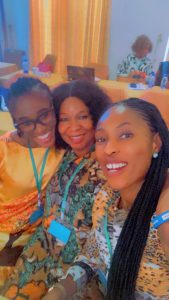
Diving deeper, Ngozi Amadi of Rivers State Television (RSTV) further shared her key learnings below:
“In Nigeria’s hard-to-reach communities, achieving a balance between environmental conservation and economic survival is essential for sustainable development.
At the 30×30 Marine Conservation Workshop by The Colonist Report Africa, my understanding was deepened under these three major takeaways:
1. The 2030 Goals often referred to as the Sustainable Development Goals (SDGs), represent a global initiative designed to address issues such as poverty, inequality, climate change, environmental degradation, while promoting peace and sustainable development.
There are 17 SDGs aimed at creating a brighter, more inclusive, and sustainable future by the year 2030.
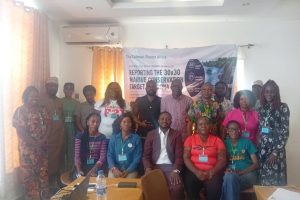
2. The 30×30 initiative focuses on protecting 30% of the world’s land and marine ecosystems by 2030. This is a critical step toward preserving biodiversity and addressing environmental degradation.
Nigeria’s marine ecosystems, including mangroves, wetlands, estuaries, and coastal habitats, play an important role in maintaining ecological balance and supporting livelihoods. Prioritizing the protection of these habitats can help conserve endangered marine species and strengthen resilience to climate change.
3. Fisheries & Livelihood
Marine Protected Areas (MPAs) are designated zones created to conserve marine biodiversity and support fish populations.
MPAs can contribute to healthier fish stocks, which benefits the long-term sustainability of fishing communities. However, some local fishers may experience short-term economic challenges due to fishing restrictions within protected areas. Through proper management, alternative livelihood opportunities, and community participation, the negative impacts on fishers can be reduced.”
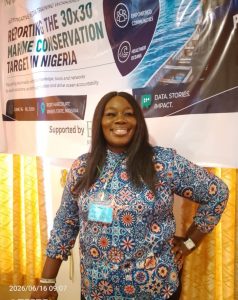
Finally, on documenting the impact of the first session, Aqua Douye Akpuruku of the Royal FM 95.5, Yenagoa Bayelsa State, elaborated on the human and environment interconnectedness for survival.
“The marine ecosystem is the engine of life on Earth.
Oceans produce over half the oxygen we breathe, absorb huge amounts of carbon, and regulate global weather patterns.
If reefs, mangroves, and seagrass beds collapse, we lose natural storm protection for coastal communities, and the food security millions depend on.
Protecting them is protecting us.
The workshop made it clear: conserving our marine ecosystem isn’t a future problem. It’s a now problem.
From coral bleaching to overfishing, what happens at sea hits our food, our climate, and our coasts directly. 30×30 gives us a real target, but community action is what will make it stick. There’s an urgent need to reduce single-use plastics, support sustainable fishing, and restore mangroves.
When coastal communities lead, conservation works. Healthy oceans mean stable climates, thriving fisheries, and safer shores for the next generation.
I left the 30×30 workshop with two thoughts.
One, oceans power the oxygen we breathe and the weather we depend on. Two, conservation only works when local communities take action.”
Next was the second session on AI tools and its ethical use for investigative reporting by Elfredah Kevin-Alerechi, the workshop’s host, Founder and Managing Editor, The Colonist Report Africa.[TCRAfrica]
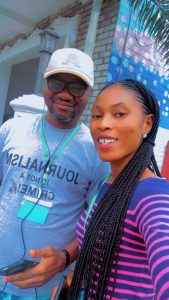
“I learned to be careful in engaging the AI trend as AI can not be 100% reliable.” Amaechi Okonkwo of Gamoknews.com further noted.
This was an explanatory and interactive session as participants testified: deepened insights beyond what was known on AI ethics and tools before now. From ‘prompt engineering’ broken down for journalists with nontechnical backgrounds to real-world practical demonstrations on how AI can be ethically used to make heavy work lighter without the overreliance on these AI tools.
As Editorial Director, Hello ICON Magazine, I gained the following key takeaways from this session, including how:
1. Individually, we can create our own AI ethics even when one’s organisation doesn’t have an AI policy yet. This entails drawing the line on when and when not to use AI. And being transparent about when and how it is used.
2. On prompt engineering: How one chats with AI matters a lot to get the best out of it.
3. The ability to use AI to analyse and fact check makes one stand out in this ever-evolving world of journalism.
“When used ethically, AI can elevate reporting.” Ngozi Amadi, Rivers State Television (RSTV) added.
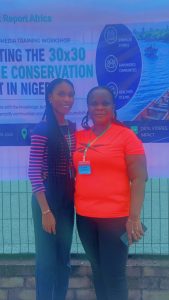
The third session on Digital Safety and Cybersecurity for Journalists by Dr. Stella Whyte, Lecturer, Computer Science, Rivers State University was a deep dive on self digital policing and cyber safety against cyber thieves. The session explored animated illustrations to break down complex terms into simple and relatable discussions: Cybersecurity, AI, deepfake, and data protection were taught in ways understandable to a layman and even a child.
“Cybersecurity safeguards journalists and their sources from digital threats.” – Ngozi Amadi of Rivers State Television (RSTV)
In the end, participants were left with practical insights on cyber hygiene best practices against digital surveillance risks, including phishing attacks, spyware and malware, and device compromise.
“As publisher of an online newspaper, I learned about the need to protect my identity online from fraudulent transactions.” – Amaechi Okonkwo, Gamoknews.com
At first glance, the fourth session on ‘Story framing, editing and story telling for impactful report’ by Chikezie Omeje, Africa editor, OCCRP seemed like an already well-known topic especially in a room filled with seasoned journalists. However, the session as testified by participants brought about clarity in depth on writing great stories that don’t just matter but are also relatable enough to capture the short attention span of today’s audience. In addition, this session awakened the consciousness and often overlooked distinctiveness between pitching a story and pitching a topic. Participants left with the simple but powerful key takeaway: pitch story, not topic.
“During this session, I learned something deeper about pitching investigative stories that get approved.” – Amaechi Okonkwo, Gamoknews.com.
“Effective storytelling guarantees that crucial information not only reaches but resonates with audiences.
All elements touched during the workshop are deeply intertwined and vital for today’s journalism landscape. Together, these learnings are what enhance the quality, credibility, and impact of journalism in our digital world.” Ngozi Amadi, Rivers State Television (RSTV)
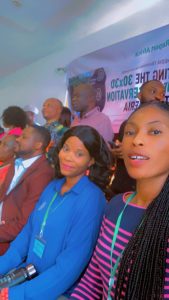
The final session on ‘Understanding the Legal Specifics for Investigative Journalism‘ by Courage Nsirimovu, Esq, Coordinator, Pilex Centre for Civic Education Initiative took another holistic and unconventional approach to practical learning. This interactive session created a room filled with heart-to-heart conversations on the realities and risks of litigation in journalism. It explored potential pitfalls and delivered practical feedback journalists can apply, especially when involved in highly sensitive, risk-filled investigations.
“From the workshop, I’m leaving with sharper tools: Marine Conservation reporting, safer investigative workflows, cyber security basics, and a clearer grasp of the Freedom of Information Act.” – Vivian Osuji Israel, Reporter, Lighthouse FM, Port Harcourt, Nigeria
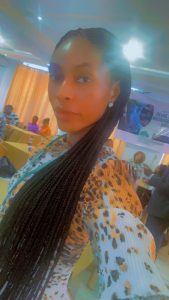
In a world where knowledge is power, journalists are custodians of truth and remain integral to maintaining an enlightened, accountable, and progressive society. In other words, when journalists in any society become outdated in their knowledge or learning capacity, that society suffers and bears the brunt of myopia.
It is not every day that journalists in Nigeria get time off to learn, relearn, reflect, and recharge from the buzz of everyday work without the burden of financial stress or cost.
This is why capacity-building programmes like the just-concluded, fully-funded 30×30 Marine Conservation Workshop matter. They serve as the engine rooms that maintain resilience and refinement for the powerhouse that journalism is.